As mills increase in size there is a greater emphasis on liner design to ensure efficient mill operation.
Liner design impacts on the operating costs of the plant as an incorrectly designed liner can cause excessive liner and ball wear.
An efficient liner should:
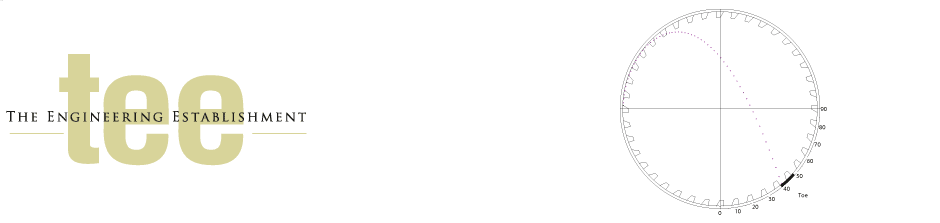
TEE uses the MillTraj software for optimal ball trajectories with the correct mix between:
For instance, a primary mill should have the balls impacting into the outer side of the toe of the charge and the grinding is mostly done by impact grinding.
A secondary/tertiary mill should have the balls impacting on the inner side of the toe. The ball charge is very compact and the balls catarcat/roll over each other. Most of the grinding is done by abrasion/attrition grinding.
Rubber liners significantly reduce the sound level associated with grinding.
Rubber mill liners Increase wear life and reduce downtime in medium to fine grinding applications (from primary ball milling up to tertiary milling. Liner profiles are designed to fit the mill drilling pattern, optimum ball trajectories for maximum grinding efficiency and optimum liner life.
Beside electricity and grinding media, mill liners are the highest operating milling expense. TEE liners are designed to obtain the lowest overall grinding cost (liners/balls/electricty) and maximum grinding efficiency.
Rubber mill liners (typical density =1.1) weigh a fraction of steel liners (typical density = 7.8) and are therefore much easier and safer to install. This means less downtime and increased mill availability.
The risk of injuries during installation is reduced because of the lighter weight of the liners. Converting to rubber linings from metal can also reduce the number of components to be handled.
TEE designs, manufactures and supplies, among others, the following products:
Rubber mill and scrubber liners, Chute liners, Pan liners/pulp lifters, Flotation spares, Ceramic spigot, Mill trunnion liners, Cast lip liners
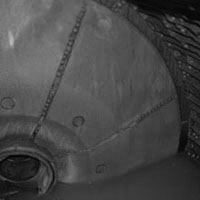
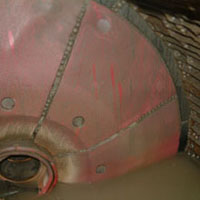
Rubber mill liners Increase wear life and reduce downtime in medium to fine grinding applications.
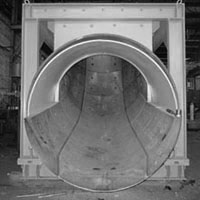
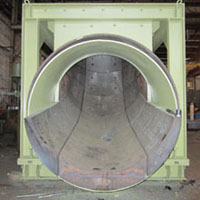
Chute liners are used to transfer ore from the feed conveyor belt into the mill.
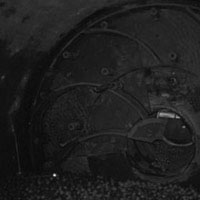
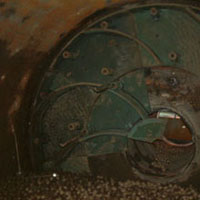
Pan chute liners are used to transport pulp once it has gone through the discharge grates.
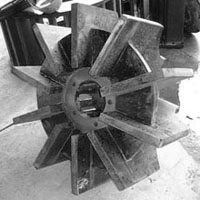
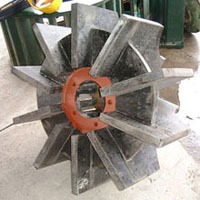
TEE manufactures new flotation spares (rotors and stators).
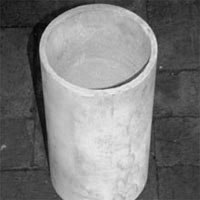
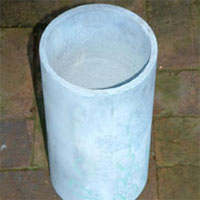
TEE supplies nitiride bonded silicone carbide spigots.
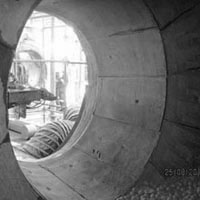
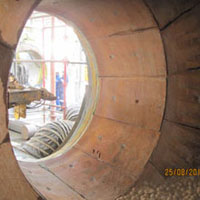
Trunnion liners are potential failure points in a mill as these liners protect the mill journal from wear.
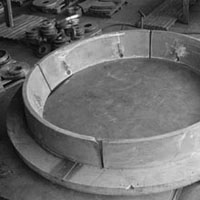
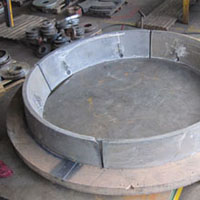
Lip liners are being used on certain types of mills to ensure a smooth transition of the ore from the feed chute into the mill.